essay · civic infrastructure
Hosur's Civic Infra Gap Is Visible in Official Numbers
Official municipal data already shows pressure on water supply, sewerage, and transport-support systems as Hosur grows.
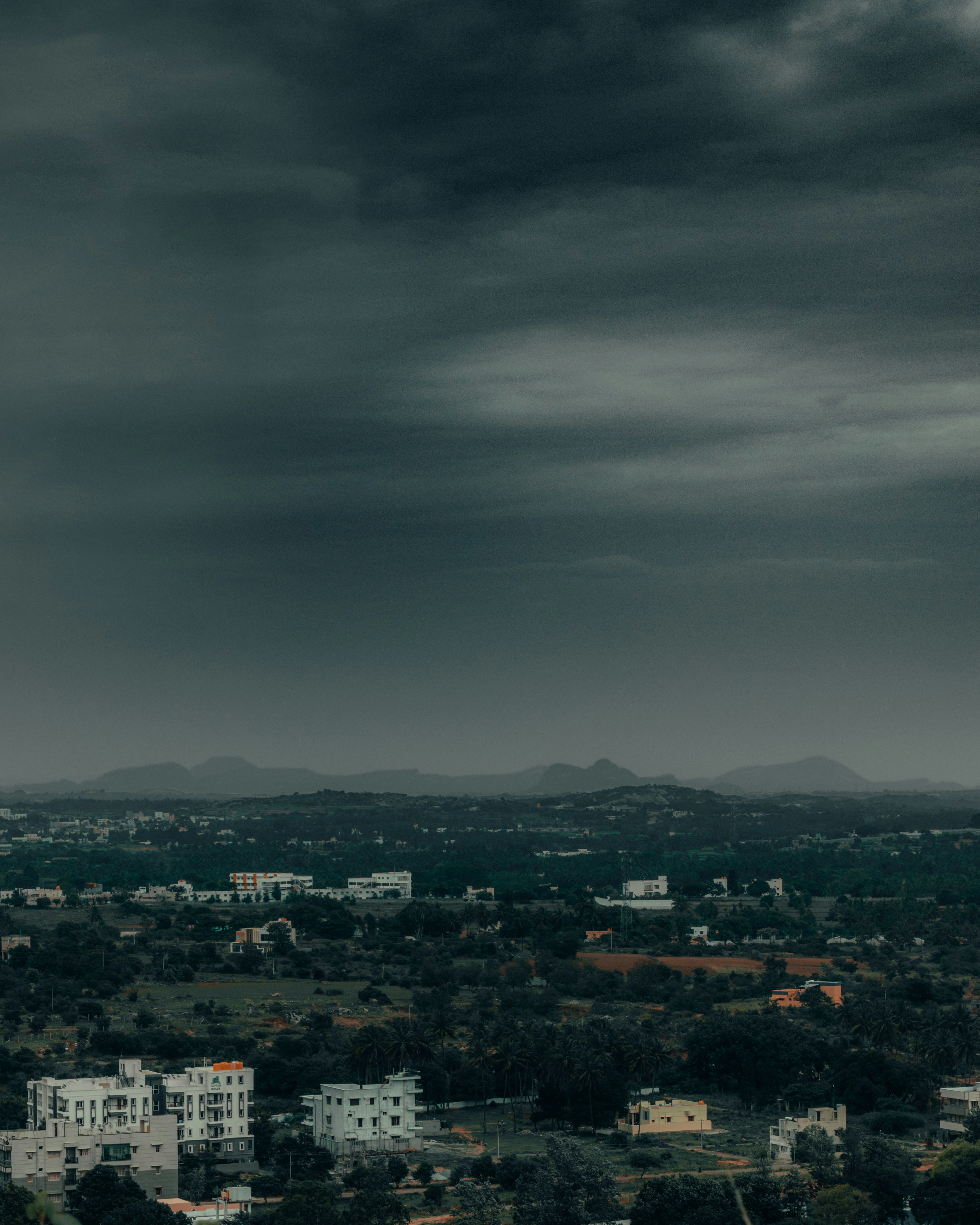
Hosur’s industrial growth story is real, but the city’s own published numbers show that core civic systems are still catching up. The gap is no longer anecdotal. It is documented.
Water supply is still tight
On the Hosur City Municipal Corporation water-supply page, the corporation says:
- the city depends on borewells plus the Hogenakkal Water Supply and Fluorosis Mitigation Project
- total available supply is about 17 MLD
- public supply is only 69 LPCD
For a city trying to deepen industry, attract office jobs, and absorb population growth, 69 litres per capita per day is a warning signal, not a comfort number.
Sewerage is still behind the city’s scale
The corporation’s sewerage page says Hosur still has 103.61 km of open drains. It also lists underground drainage at an estimated Rs.334.23 crore, with the status noted as:
DPR prepared and submitted by TWAD. Alternate STP sites to be identified.
That means the sewerage deficit is not speculative. The city itself is saying the system is still at the DPR-and-site-identification stage.
Urban growth is already outrunning basic service capacity
The corporation’s solid-waste page says:
- Hosur now covers 72.41 sq km
- the present population is 3,28,880
- the city has 634 km of roads
- daily waste generation is 72 TPD
Those figures do not prove failure by themselves. They do show that Hosur is no longer a small industrial town that can rely on ad hoc utility expansion.
Even the transport interface is modest for the city’s ambition
On the municipal bus-stand page, the existing Hosur bus terminal is described as a Grade C bus stand. That may be administratively accurate, but it also underlines the mismatch between Hosur’s economic ambition and the quality of its everyday public-facing transport infrastructure.
What Hosur needs next
This conclusion is an inference from the official municipal data above.
Hosur needs civic upgrades treated as growth infrastructure, not as after-the-fact cleanup:
- higher and more reliable per-capita water supply
- time-bound underground sewerage execution, not only DPR progress
- better urban transport nodes and worker mobility
- trunk infrastructure that matches the scale of new industrial and IT investment
Hosur does not only need more factories and office announcements. It needs the water, drainage, and city systems that make large-scale growth durable.
Sources
- Hosur City Municipal Corporation, Water Supply: https://www.tnurbantree.tn.gov.in/hosur/water-supply/
- Hosur City Municipal Corporation, Sewerage: https://www.tnurbantree.tn.gov.in/hosur/sewerage/
- Hosur City Municipal Corporation, Solid Waste Management: https://www.tnurbantree.tn.gov.in/hosur/solid-waste-management/
- Hosur City Municipal Corporation, Bus Stand: https://www.tnurbantree.tn.gov.in/hosur/bus-stand/