essay · economic infrastructure
Hosur Should Track ELCOT Occupancy
The existing ELCOT building is an operating asset with a leasing problem, which is different from Hosur's broader tenant-pipeline challenge.
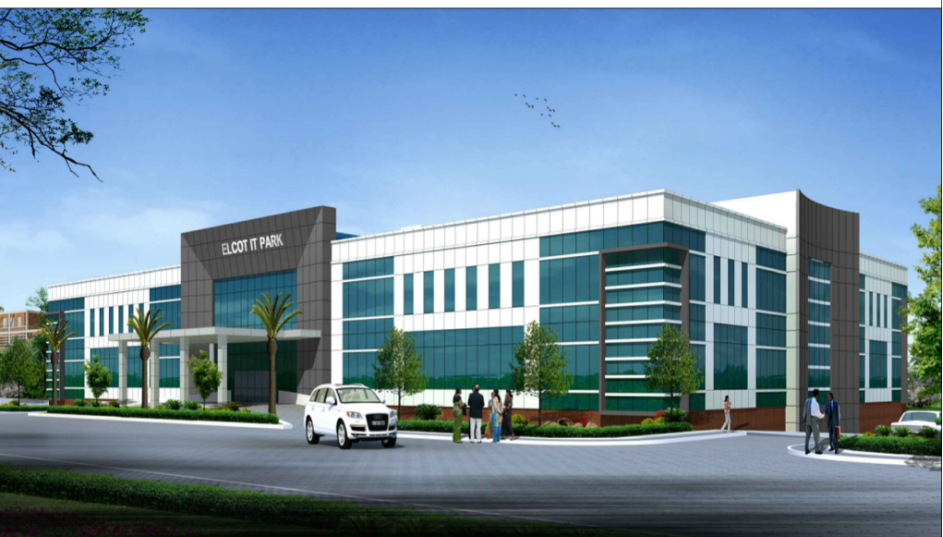
Hosur’s existing ELCOT building and Hosur’s longer-term office tenant pipeline are related, but they are not the same issue.
What the official record already shows
The Tamil Nadu Information Technology Department’s Hosur page lists an existing ELCOT IT building with:
- 62,100 sq ft of built-up IT space
- Rs.15 per sq ft monthly warmshell rent, plus Rs.6 per sq ft maintenance
- minimum allotment of 2,500 sq ft
- 100% power backup and building-management systems
That means Hosur does not start from zero. It already has a state-backed office asset that should be measured, marketed, and filled.
Why this is a problem
The tenant-pipeline question asks whether Hosur can generate sustained office demand over many years.
The ELCOT occupancy question is simpler and more immediate:
- how much of the existing built-up area is actually leased
- which tenant profiles are being targeted
- whether the current pricing and packaging are working
- whether the building is being positioned as a real operating location or just a passive inventory listing
This distinction matters because a city can have a credible long-term office thesis and still underperform on the first asset it already has.
What a useful ELCOT dashboard would track
This is an inference from the official source, not a published government framework.
Hosur should publish or at least internally monitor:
- occupied area versus vacant area
- number of active tenants
- average floor-plate size leased
- sector mix of occupants
- time taken to convert enquiries into leases
If the first ELCOT asset stays underused, it weakens the case for scaling a much larger TIDEL footprint.
Sources
- Tamil Nadu Information Technology Department, Hosur ELCOT page: https://it.tn.gov.in/en/Elcot_IT_Buildings/Hosur